Getting Support
Where My Coaching Meets NLP
Coaches everywhere are talking about NLP right now, and clients are starting to ask how it fits into the work we do together. I coach through the lens of attachment theory and nervous system regulation, and across more than 1,500 hours of sessions I've seen several tools people credit to NLP show up naturally in good coaching. This article walks through where those tools overlap with my practice, which ones I reach for most often, and why every client starts with regulation before any planning begins.
NLP stands for Neuro Linguistic Programming, a collection of communication and change techniques from the 1970s built on the idea that the words we use and the pictures we make in our minds shape how we feel and what we do next. Researchers still debate how well it holds up in studies and I hold no NLP certification. I can still see exactly where the tools I use every day line up with it and that overlap is worth understanding.
One of the planning methods I use with clients asks them to describe their goals in vivid, specific detail. When a client tells me she wants less stress, we talk about what a calm Tuesday morning looks like. What she'd hear in the house, how her shoulders would feel. NLP calls this a well formed outcome. A goal that lives in the senses feels real to the nervous system and that's when it starts pulling a person forward. The same method has me listen closely when a client explains why a goal matters to them, because I want to hear whether it fits their family, their health, and their values. NLP calls that an ecology check. A goal that tugs against someone's life tends to stall, so I'd rather learn that in the first session than the fifth.
Big goals feel huge until they're cut into steps small enough to finish this week. NLP calls this chunking and I've watched people go from overwhelmed to moving in a single conversation once the first piece is clear.
Before we plan anything, I often help a client shift their state through breath, posture, movement, and where their attention is resting. A person who walks in tense and scattered makes very different decisions than one who feels settled in their body. Language matters too. When a client says “I can't,” I get curious about what's underneath, and we work toward “I'm learning how.” Reframing the meaning someone has attached to an event, interrupting a story that keeps looping, and anchoring a resourceful feeling so it's easy to find again are all tools NLP practitioners would recognize.
My foundation is attachment theory and nervous system regulation and that shapes the order I work in. When a body is stuck in survival mode, even a gentle reframe can feel like pressure. A plan becomes one more chance to fail. Starting with regulation gives the planning tools somewhere to land because a body that feels safe can use what it's learning.
The tools I use share vocabulary with NLP, and the way I use them comes from attachment theory and nervous system science. That sequence has held up across 1,500+ hours of sessions, and it's the heart of my work.
This article was also shared with my Substack readers.
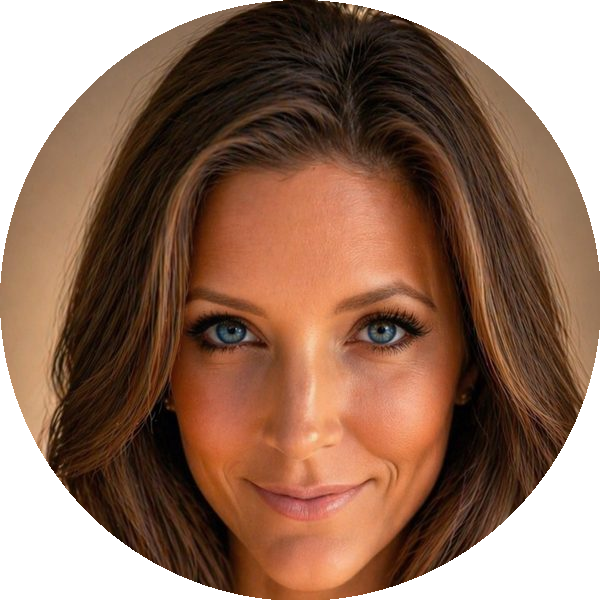
Rebecca Lee Wells
Rebecca is an IIN Certified Health Counselor, Attachment Theory Certified through The Personal Development School, and a Trauma Informed Practitioner. She's the creator of the Wounds to Wisdom Pathway. Read her story →
If you're curious how attachment informed coaching works in practice, here are the ways to work with me directly.
Explore Ways to Work Together